Crafting interfaces that feel inevitable, from React to the runtime.
I design and build production-grade frontends — the kind that ship, scale, and stay maintainable

Open to frontend roles
Cairo · GMT+2 · Remote-friendly
A frontend engineer based in Cairo.
I'm a frontend engineer based in Cairo. The last three years I've been shipping production interfaces — multi-role dashboards, ERP modules, marketing sites — across agency, in-house, and remote teams.
My home is the React / Next.js ecosystem with Material UI or tailwind for the design layer, plus the boring 90% nobody talks about: REST integrations, manual QA passes, cross-browser checks, and component libraries that pay the next engineer back. I think in components and tokens, and prefer a small system that scales over a stack of one-off pages.
I'm comfortable past the API boundary too — Node, Express, MySQL, Firebase, auth flows. Not a backend engineer, but I write client code that respects what the server can and can't do.
Looking for a frontend role where the team takes craft seriously — equally happy embedded in a product team or owning a design system.
- Based in
- Cairo, EG · GMT+2
- Stack
- React · Next.js · MUI
- Years
- 3 shipping production
- Currently
- Open to frontend roles
- Open to
- Remote · Hybrid · Contract
- Education
- Bachelor's, Zagazig University
What I work with.
Frontend
Where I live day-to-day.
Backend & Data
Comfortable past the API boundary.
Tools & Workflow
How I ship.
Work I keep going back to.
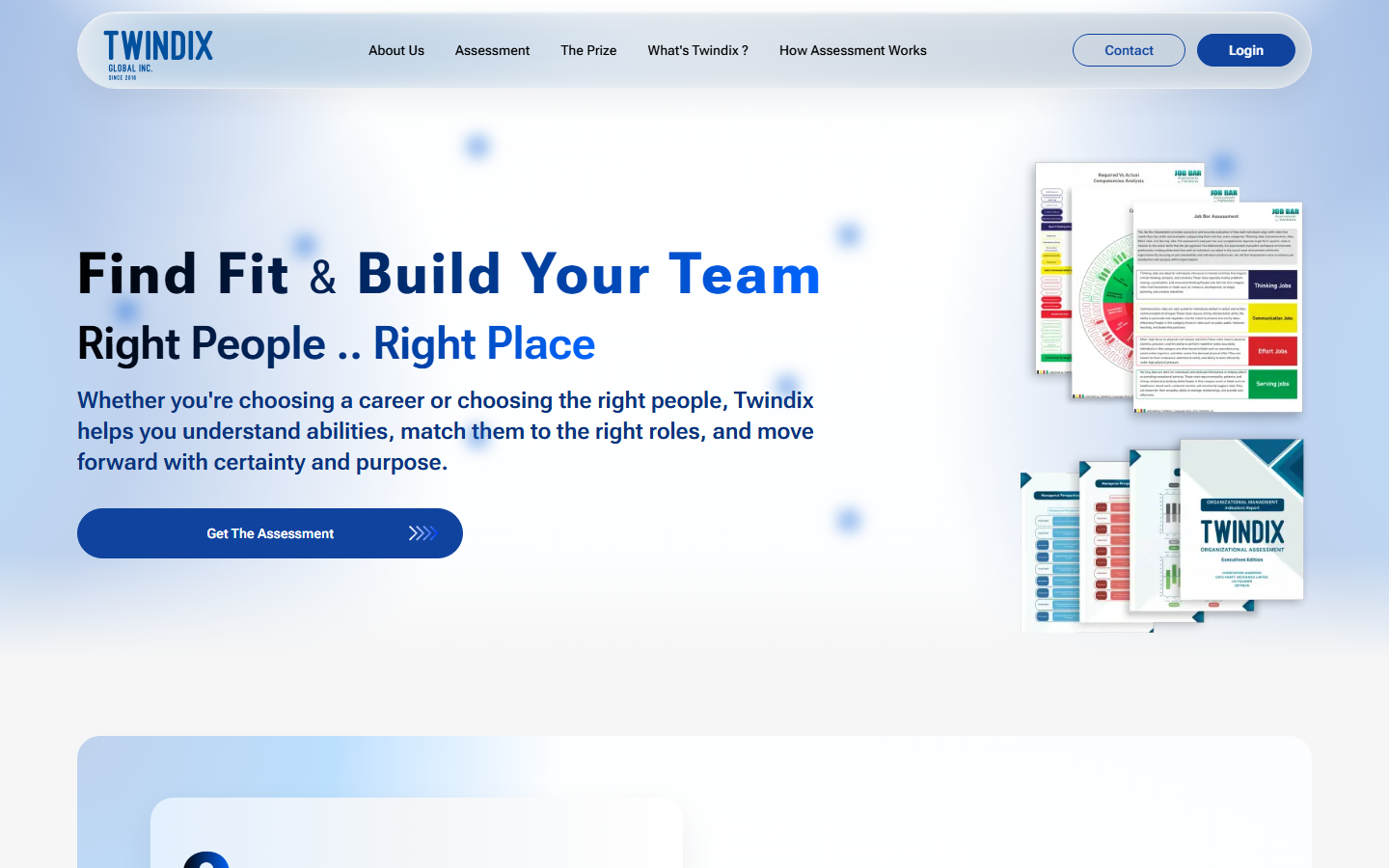
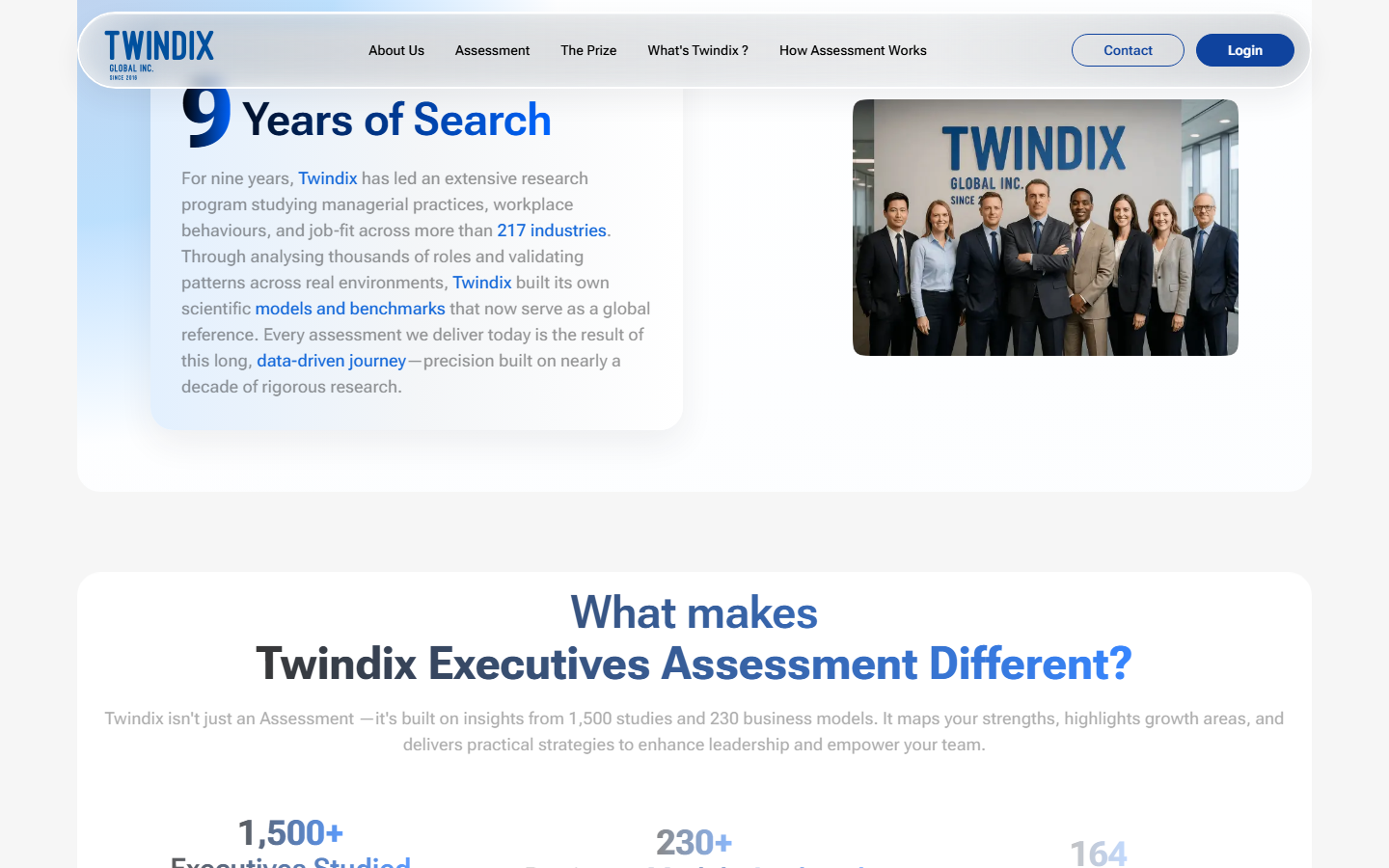
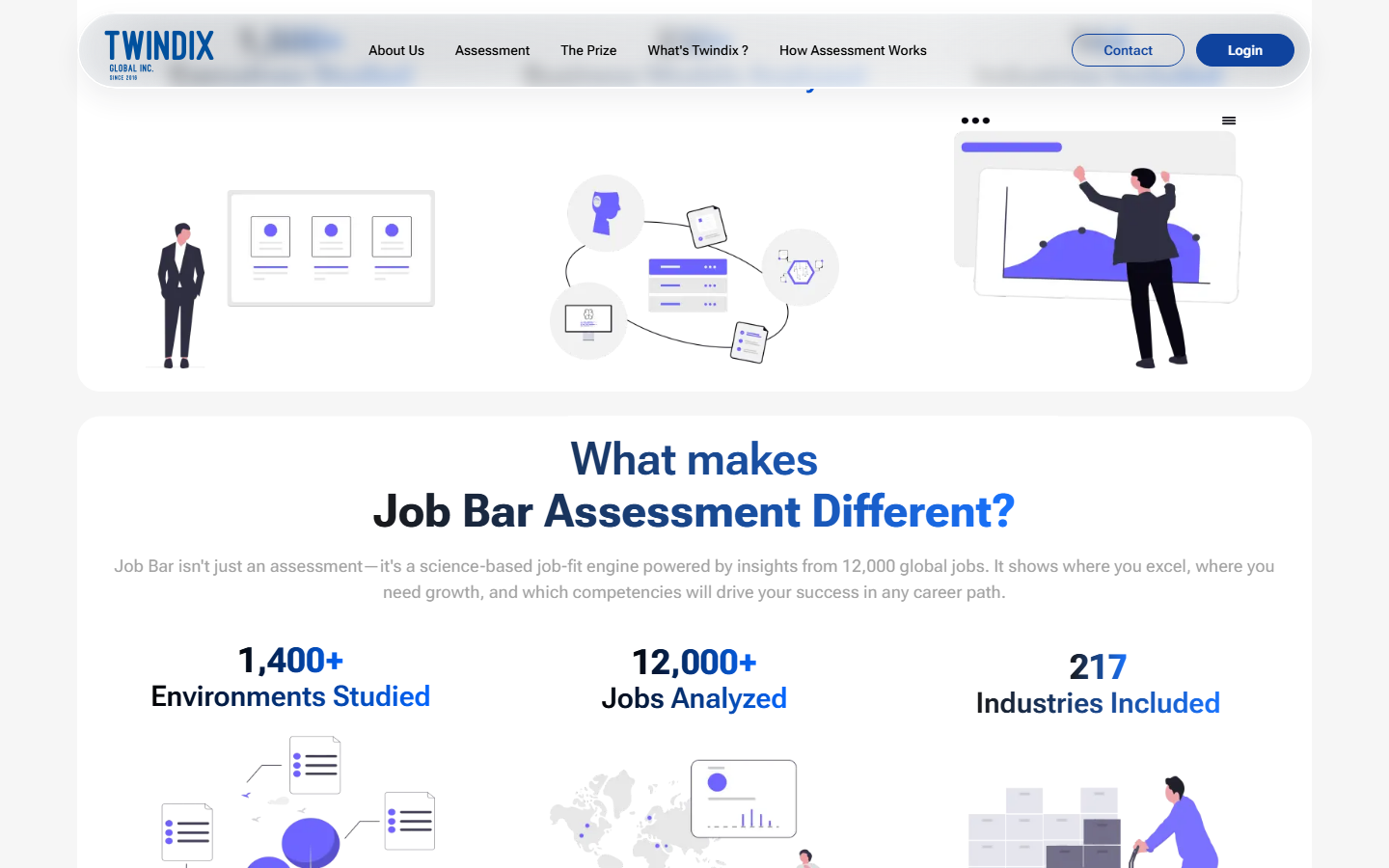
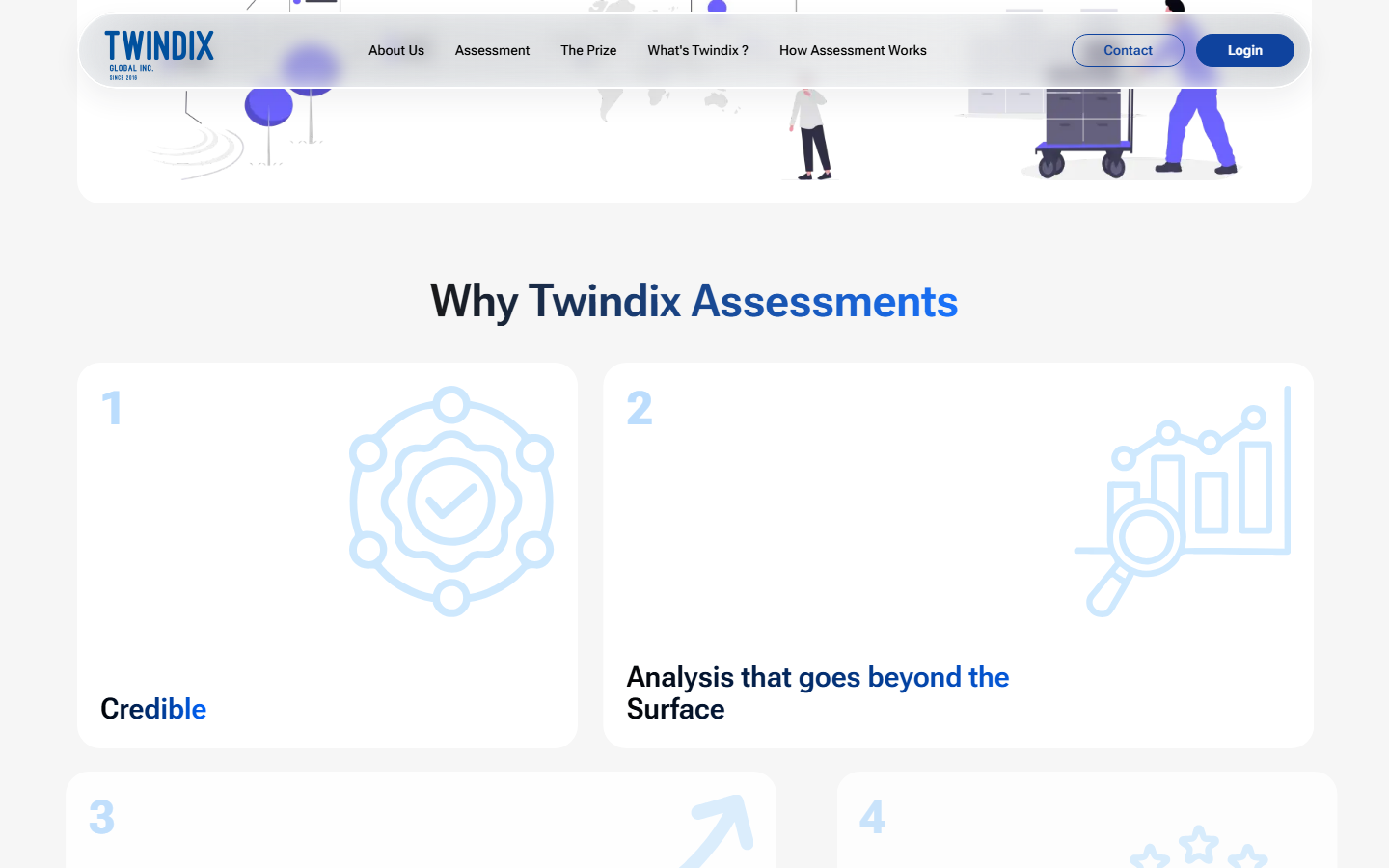
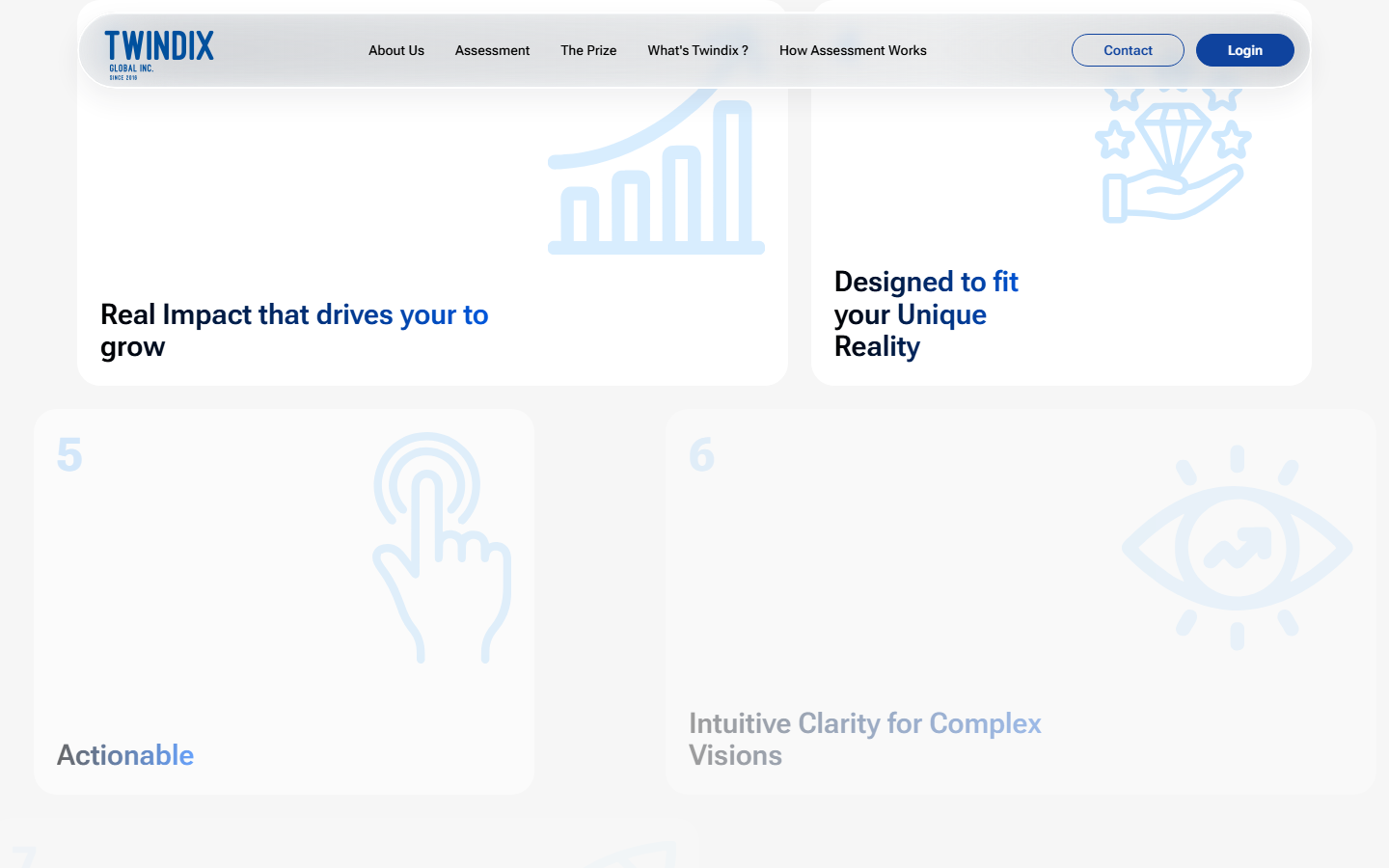
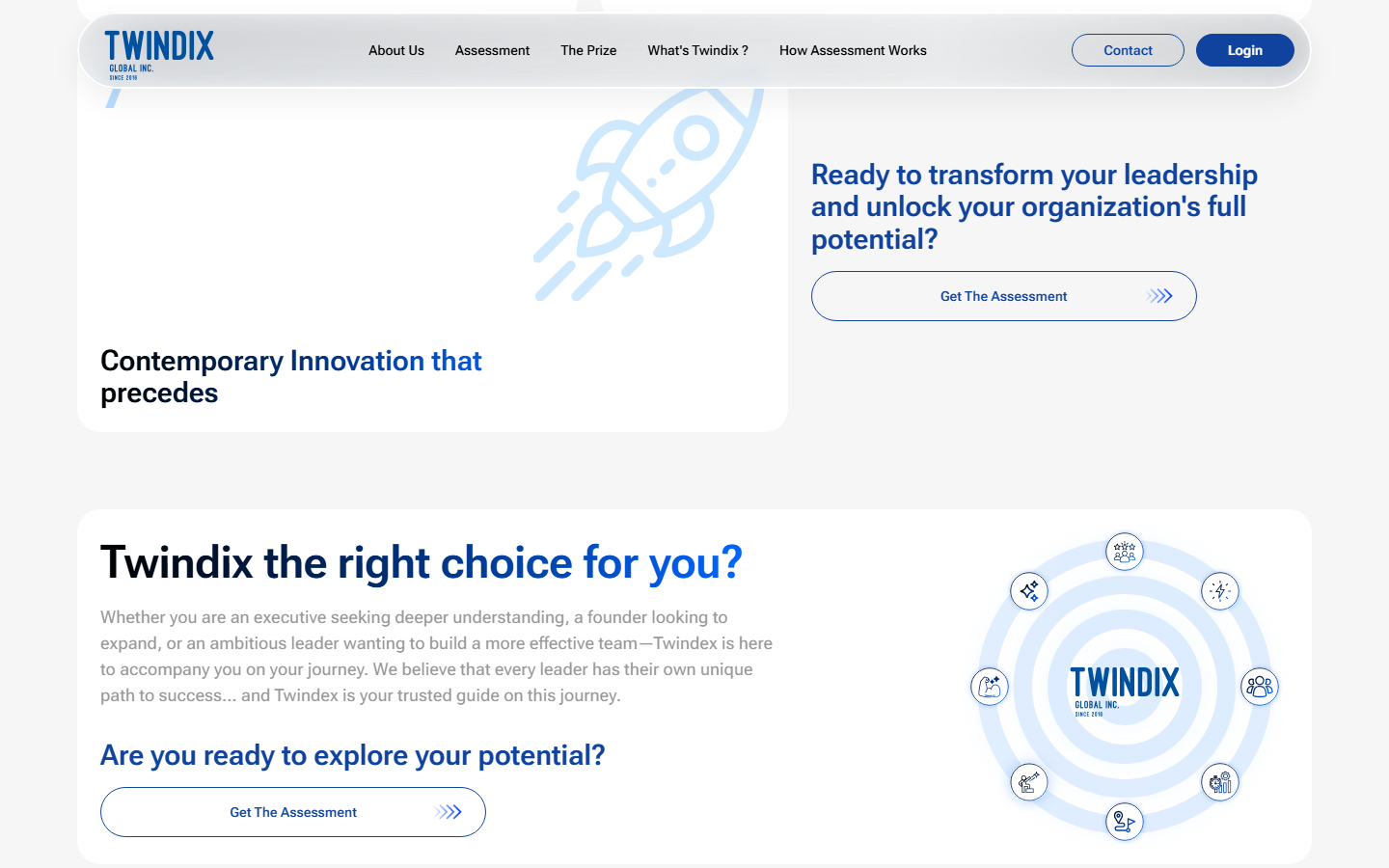
Twindix Executive Platform
A research-backed talent assessment platform — Twindix Executives (8 leadership indicators) and Job Bar (matching candidates to 12,000+ global roles) — distilled from 1,500+ executives and 230+ business models.
Overview
The marketing front door for Twindix's flagship products, with the assessment tooling living behind login. Built on Next.js + MUI; the page is the first thing every prospective HR client sees, so it earns its weight in conversion, not just visuals.
Tuned for SEO and first-paint speed, with bilingual-ready content and a clean hand-off into the gated assessment shell.
Key features
- Next.js marketing site tuned for SEO + first-paint speed.
- Eight executive indicators surfaced as scannable copy blocks.
- Direct hand-off to the gated assessment shell.
- Bilingual-ready content layout.
- Stack
- React · Next.js · MUI · REST API
- Role
- Frontend
- Timeline
- 2025
- Reach
- Public marketing + client gateway
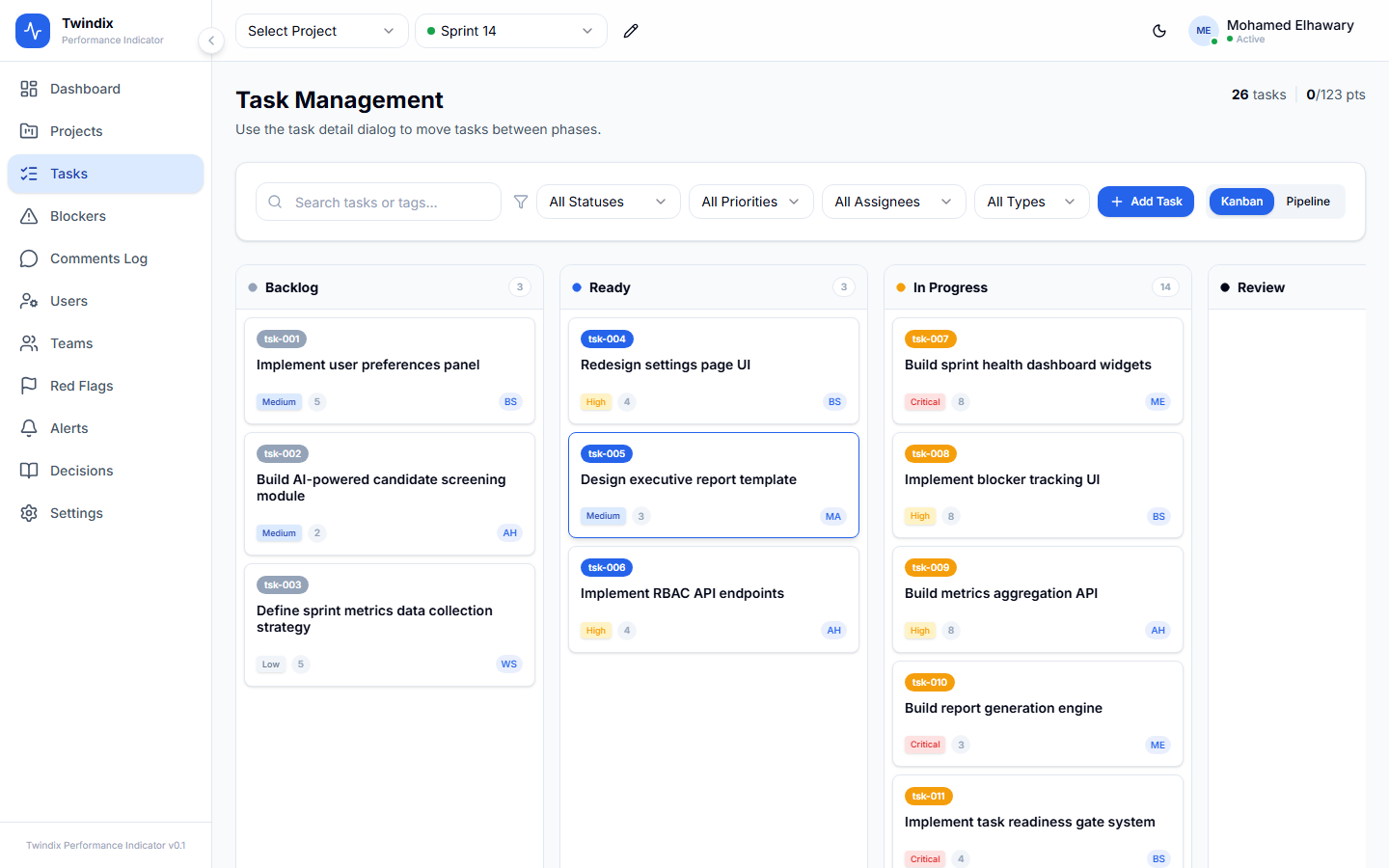
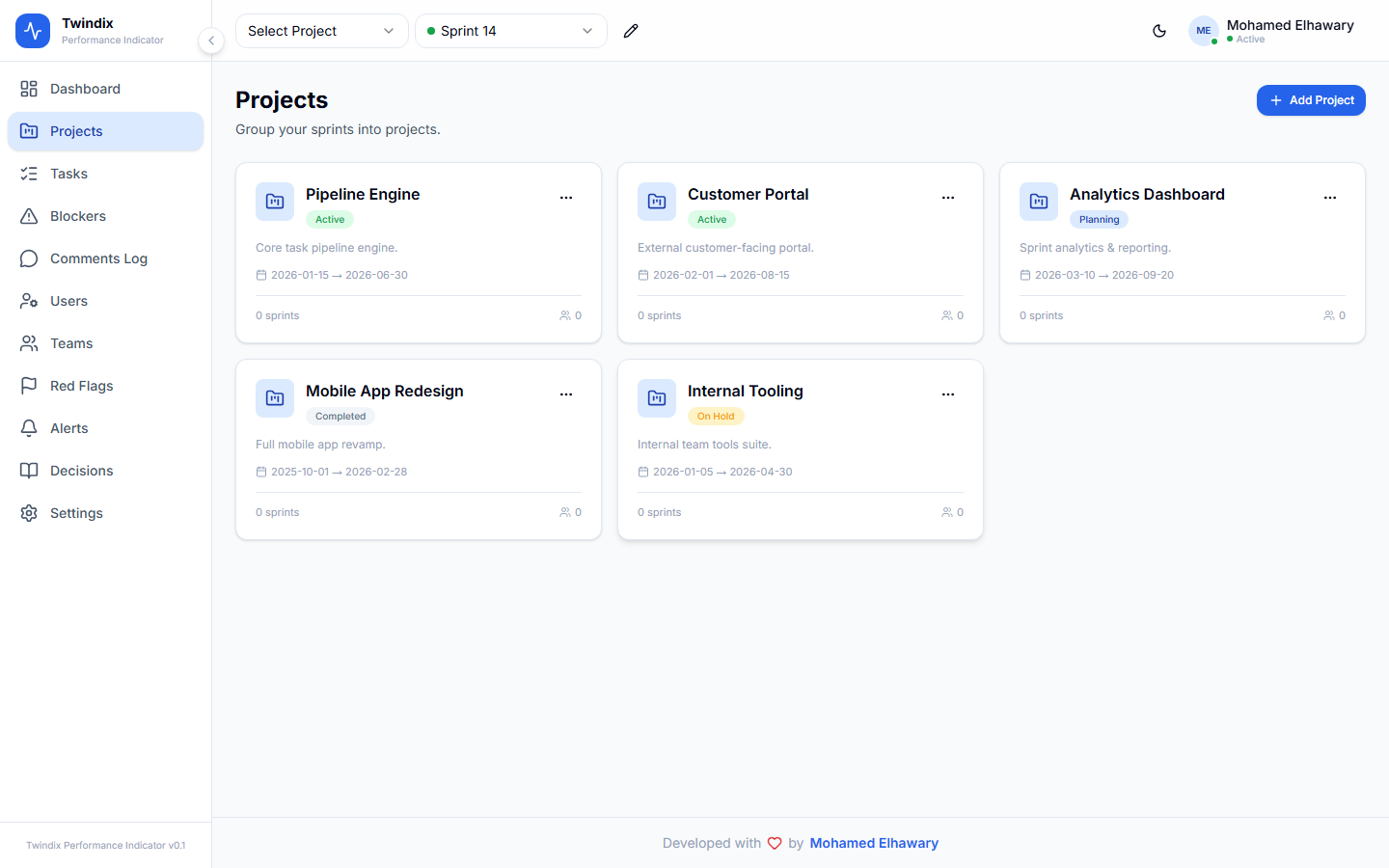
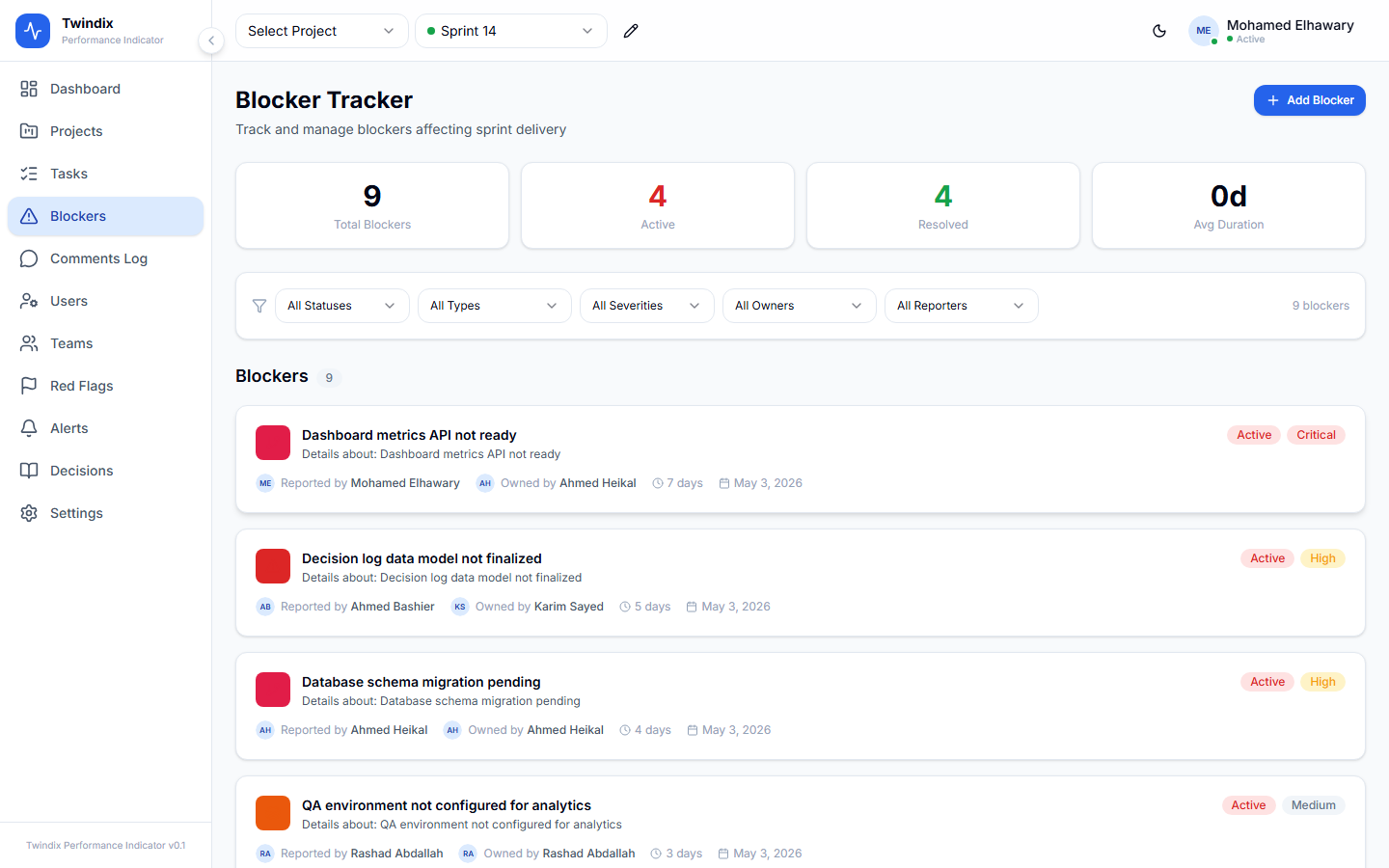
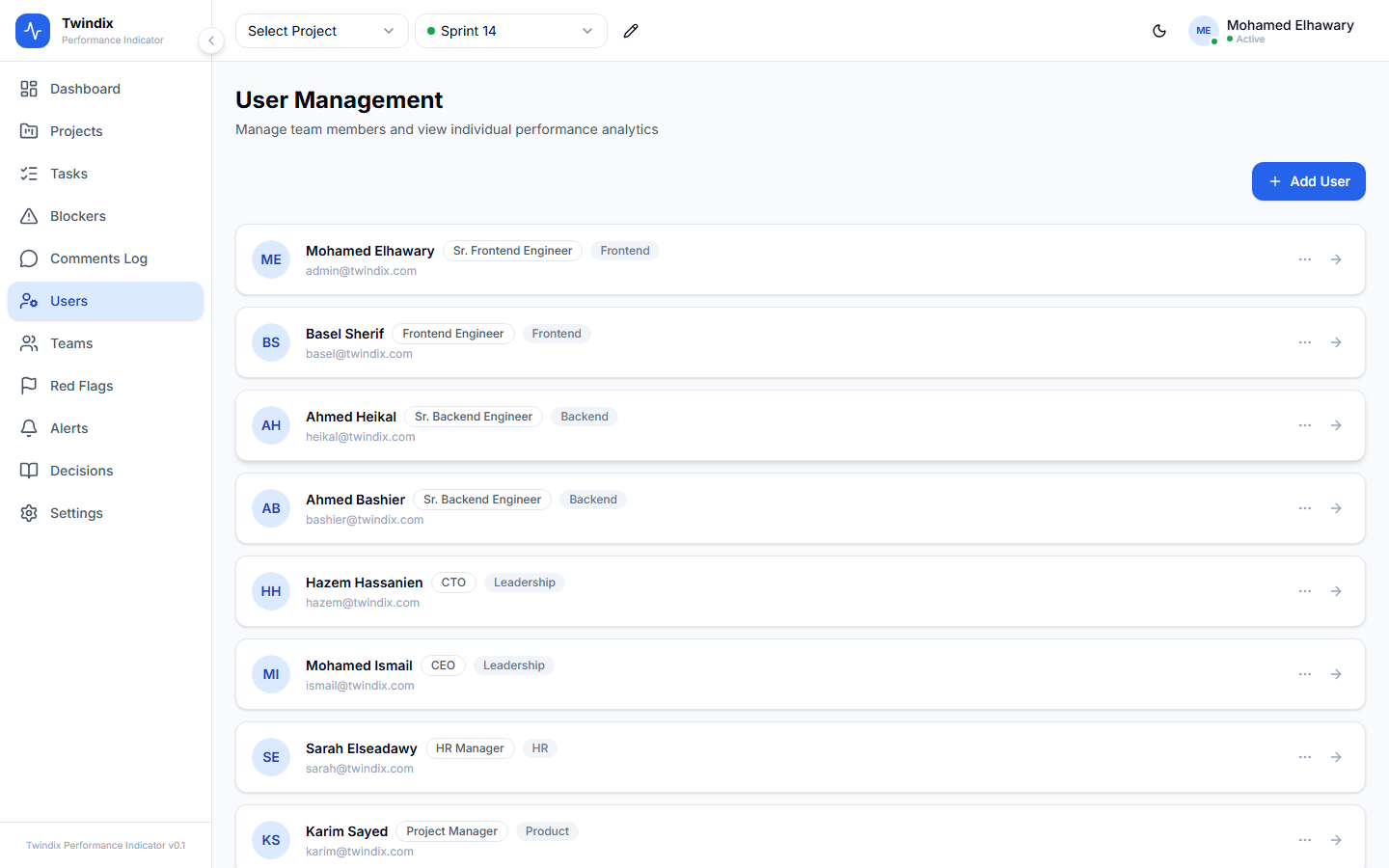
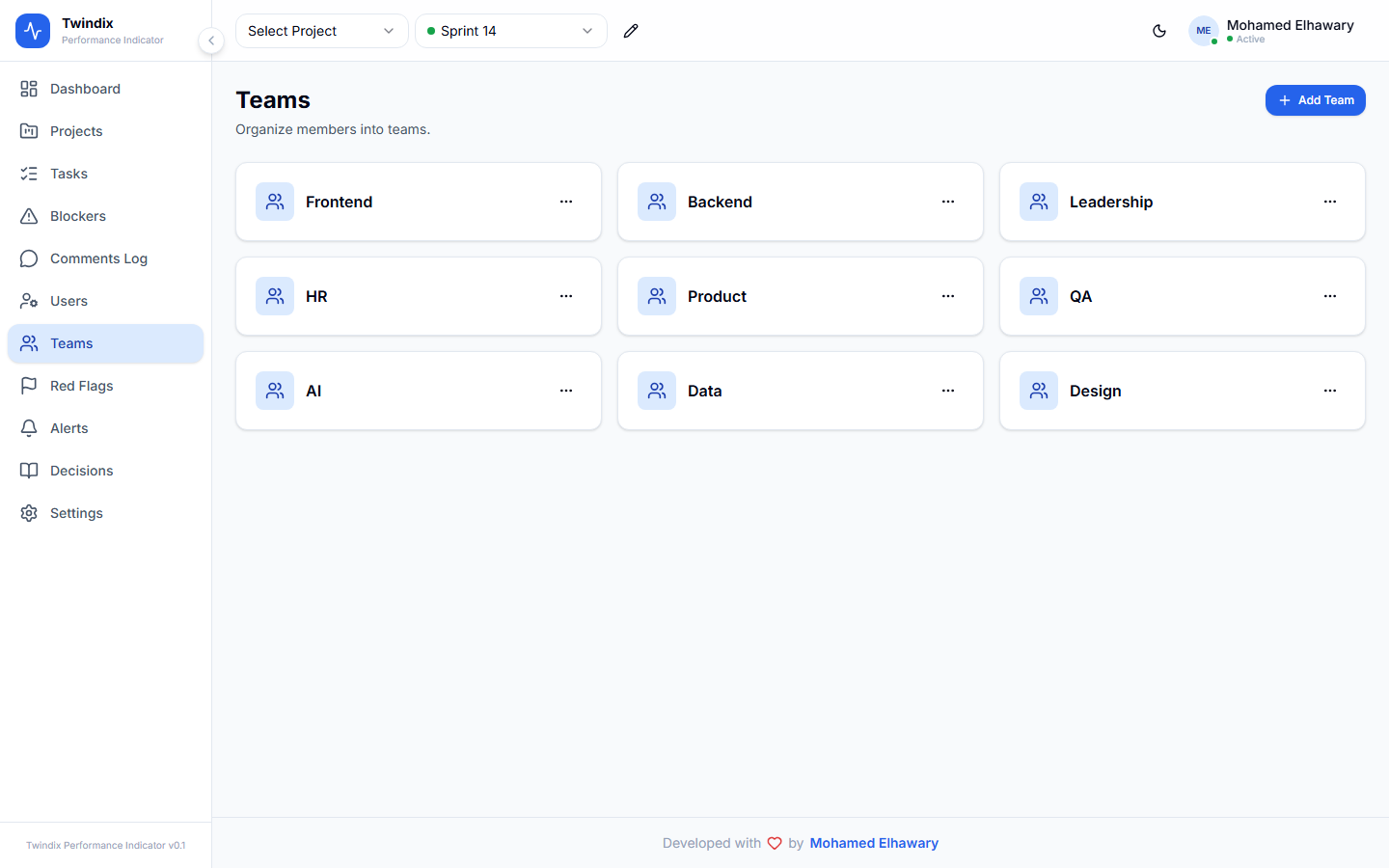
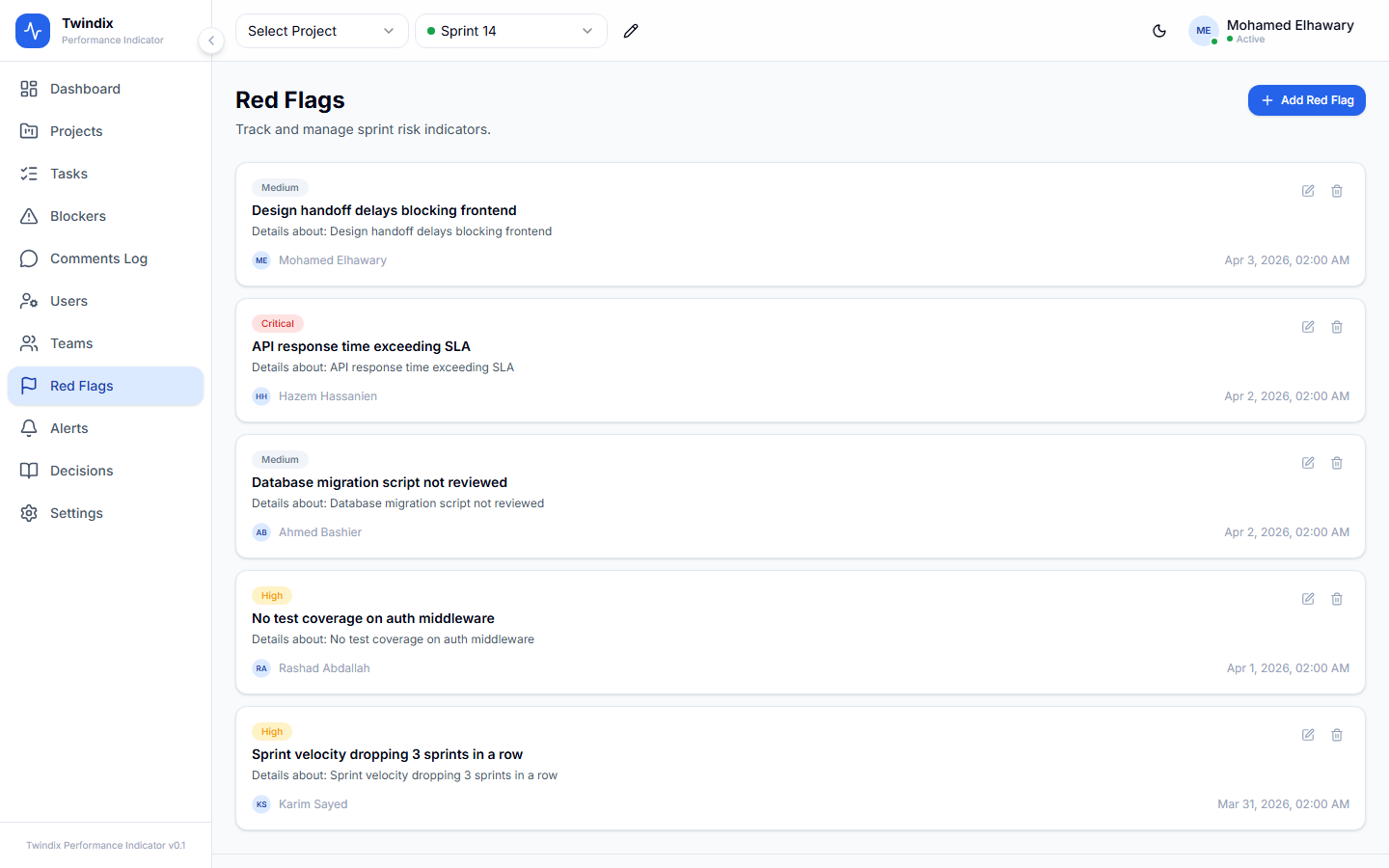
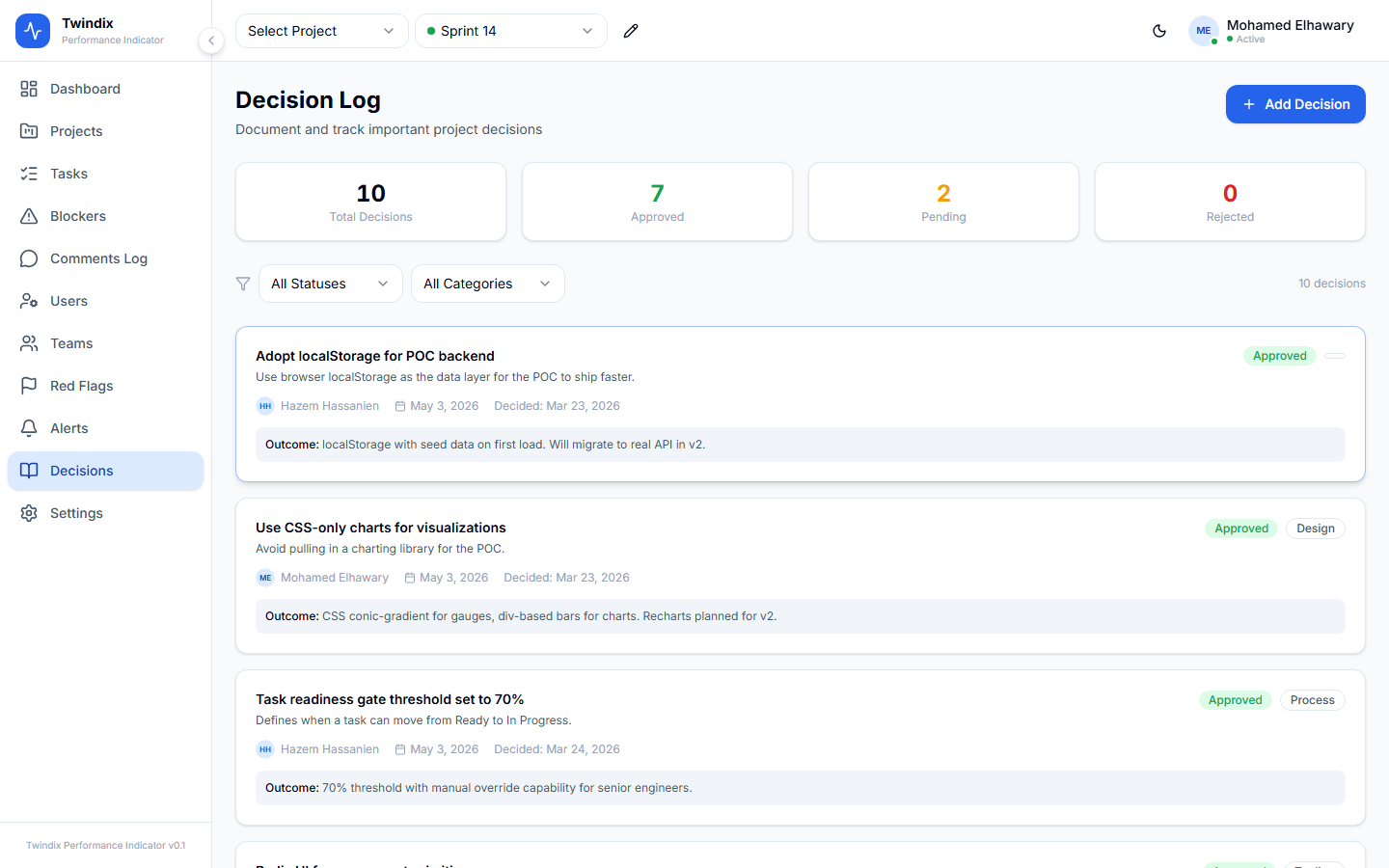
Twindix Performance Indicator
A multi-role assessment dashboard with three personas — User, HR, Admin — each landing on a different shell, with PDF reports generated entirely on the front end.
Overview
Owned the frontend on this one. A single React shell with a role-resolver at boot, three role-specific landings, and PDFs generated in the browser via jsPDF + autotable so reports render the same on every machine.
Reports persist server-side; the binary regenerates from raw scores so the design can change without a backfill. Cut page load by 40% and lifted engagement 25% in the first month after rollout.
Key features
- Role-resolver routing — admins never see HR's nav, HR never sees admin actions.
- Front-end PDF reports — page-break edge cases QA-tested per release.
- Re-download from history without re-running the assessment.
- Manual end-to-end QA pass per role on every PR.
- Stack
- React · MUI · REST API · jsPDF · Auth
- Role
- Lead frontend
- Timeline
- 2025 — 2026
- Reach
- Internal HR teams + external clients
How I build software.
Clarity over cleverness
The best UI is the one that disappears. I'd rather ship one well-considered interaction than three flashy ones nobody asked for.
Responsive by default
Mobile-first isn't a checkbox — it's the constraint that forces good layout decisions. Every component I write is designed for 360px before 1440.
Performance is a feature
Bundle budgets, server components, lazy-loaded routes — not as optimizations, but as part of the spec. Slow pages erode trust faster than bad design.
Tested by the person who built it
I run a manual end-to-end pass on every PR I open: roles isolated, edge cases checked, regressions caught. QA isn't somebody else's job.
Built to scale
Component contracts, design tokens, predictable boundaries. The code I leave behind should be obvious to the next engineer — because that engineer is usually me, six months later.
Motion with intent
Animation is feedback, not decoration. Every transition I ship has a job: confirm an action, show hierarchy, guide the eye — and an exit ramp for users who opt out.
How I got here.
Frontend Engineer · Twindix
Engineered the company's primary web platform on React + Next.js — page load down 40%, engagement up 25%. Architected the multi-user internal dashboard with dynamic report generation, PDF export, and subscription management. Modernized the legacy stack along the way.
Frontend Developer · Vision Dimension
Built high-performance ERP modules — Accounting, HR, Inventory — on Next.js + MUI. Cut development time on future features by extracting a reusable component library. End-to-end manual validation kept workflow accuracy at 100% across complex enterprise modules.
Frontend Developer · Rboua Company
Maintained responsive web apps in React, integrated with REST and GraphQL endpoints, and ran cross-browser / cross-device QA passes. Filed bugs against my own code in the same tracker as everyone else — a habit I still keep.
Continuous learning
Working through Data Structures, Algorithms, and Node.js at Cloud Native Base Camp; Database Fundamentals at MaharaTech. The CS muscles that the day job uses without naming.
What I can ship for you.
Frontend Development
Production React and Next.js — design system, motion language, and accessibility baked in. The kind of frontend that survives the second engineer.
- Component library documented from day one
- Performance budget honored, not just measured
- Manual QA pass on every release
Responsive Design
Mobile-first interfaces that hold their shape from 360px phones to 4K monitors. No magic numbers, no per-breakpoint hacks.
- Fluid type and spacing scales
- Container queries where they earn it
- Tested across real devices, not just the inspector
UI Implementation
Pixel-faithful translation of Figma to code, with the small details design didn't catch.
- Hand-tuned motion + hover states
- A11y baked in (focus rings, labels)
- Dark + light theme support
API Integration
REST clients, auth flows, and the boring 90% — loading, error, empty — handled well. Optimistic UI where it matters.
- Typed clients with sane defaults
- Optimistic UI where it counts
- Real error UI, not toasts
Looking for a frontend engineer? Let's talk.
Usually reply within 24h. Cairo time.